
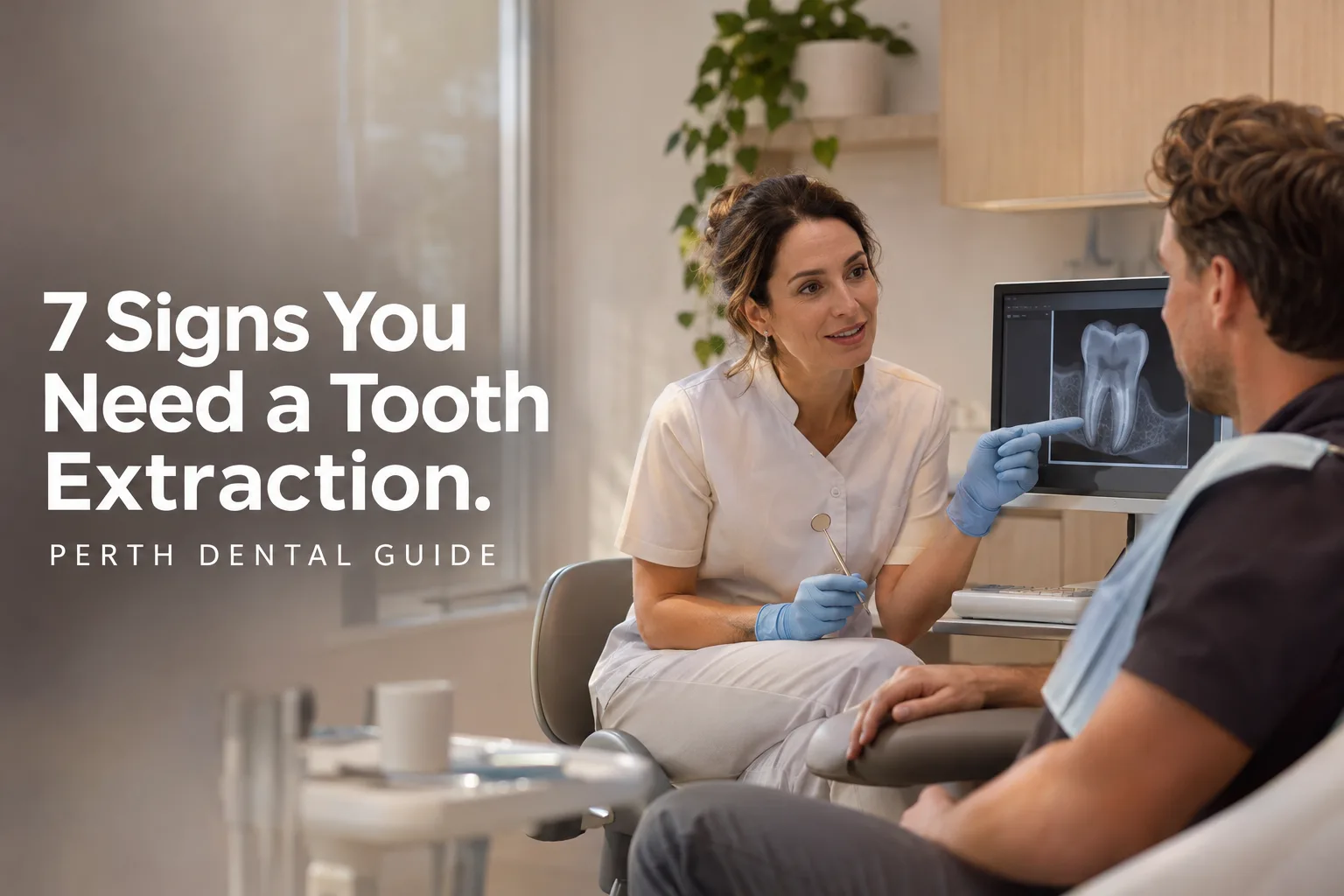
Recognising When Extraction Is the Right Choice
Dental health is a vital part of your overall wellbeing. For residents of Perth, finding the right dental care when a tooth is causing trouble is essential. Living an active lifestyle in the city means you cannot afford to let dental pain slow you down. Whether you are in Yokine, Stirling, or the broader northern suburbs, addressing dental issues promptly is key to maintaining your health and comfort. While dentists always aim to preserve natural teeth, there are situations where an extraction is the best option for your health. At Radiant Smiles Dental Care in Yokine, we guide patients through this decision with a focus on gentle, affordable care. Knowing the signs that point toward extraction can help you act early and avoid more serious complications.
Persistent Pain, Decay, and Infection
The most obvious sign that you may need a tooth extraction is persistent, severe toothache. If a tooth is causing you constant pain that cannot be relieved by a filling or root canal treatment, it may be time to consider removal. Does hot or cold food cause a sharp jolt of pain? This could indicate the nerve is dying.
"If a tooth is causing you constant pain that cannot be relieved by a filling or root canal, it may be time to consider removal."
Similarly, when decay has destroyed most of the tooth structure above the gum line, there may not be enough healthy tissue left to support a crown. In these cases, removing the tooth is the safest way to eliminate pain and prevent the spread of infection.
A dental abscess is another serious condition that requires prompt attention. If an infection has reached the pulp of the tooth, it can cause an accumulation of pus. In many cases, a root canal can treat this. However, if the damage is too extensive, an extraction is the only way to fully clear the infection and prevent it from spreading to other parts of the body. Ignoring a dental abscess can lead to severe health risks, making extraction a necessary step for your safety.
After addressing an urgent issue like a tooth extraction perth, many patients look into restorative or cosmetic options to restore their smile and function.
Overcrowding and Impacted Wisdom Teeth
Overcrowding is a common reason for extraction, especially before orthodontic treatment. Removing a tooth can create the necessary space for the remaining teeth to align properly. Impacted wisdom teeth are another frequent cause for extraction. When these molars do not have enough room to emerge, they can become trapped in the jawbone or gum tissue. Symptoms of impacted wisdom teeth include jaw stiffness, pain at the back of the mouth, and difficulty opening your jaw fully. They can also lead to decay in the neighbouring molar because cleaning around them is challenging. Our team can assess the position of your wisdom teeth and advise whether extraction is the best course of action to protect your smile.
Advanced Gum Disease and Tooth Fractures
Periodontal disease can cause the gums to pull away from the teeth, destroying the supporting bone. When a tooth becomes very loose due to gum disease, extraction may be necessary to preserve the health of the surrounding jawbone. Another clear sign is a fractured tooth. A fractured tooth can be the result of a traumatic injury from a sports accident or a simple fall. Even biting down on something hard can crack a weakened tooth. If a tooth cracks vertically down to the root, it often cannot be saved. This type of fracture can expose the inner layers of the tooth to bacteria, leading to infection. An extraction can prevent this infection from spreading to adjacent teeth and bone. The tooth extraction procedure is straightforward and performed under local anaesthetic to ensure your comfort.
Aftercare and Recovery at Radiant Smiles
At Radiant Smiles Dental Care, we prioritise your comfort. The procedure is performed under local anaesthetic to ensure you feel no pain. We will discuss sedation options if you are feeling anxious. After the extraction, it is crucial to follow aftercare instructions. This includes biting on gauze to control bleeding, avoiding strenuous activity, and sticking to soft foods for a few days. A blood clot will form in the socket, which is essential for healing. You will need to rest for the first 24 hours and avoid using a straw, as the sucking motion can dislodge the protective clot. Stick to a diet of smoothies, yoghurt, and soup. We will provide you with a comprehensive aftercare plan tailored to your needs.
If you are looking for a reliable dentist in the northern suburbs of Perth, visit our clinic at Shop 6/201 Flinders Street, Yokine. We are open seven days a week to accommodate your schedule. Taking prompt action on any of these seven signs can save you from unnecessary pain and protect your long-term dental health. Contact our friendly team today to book a consultation.