
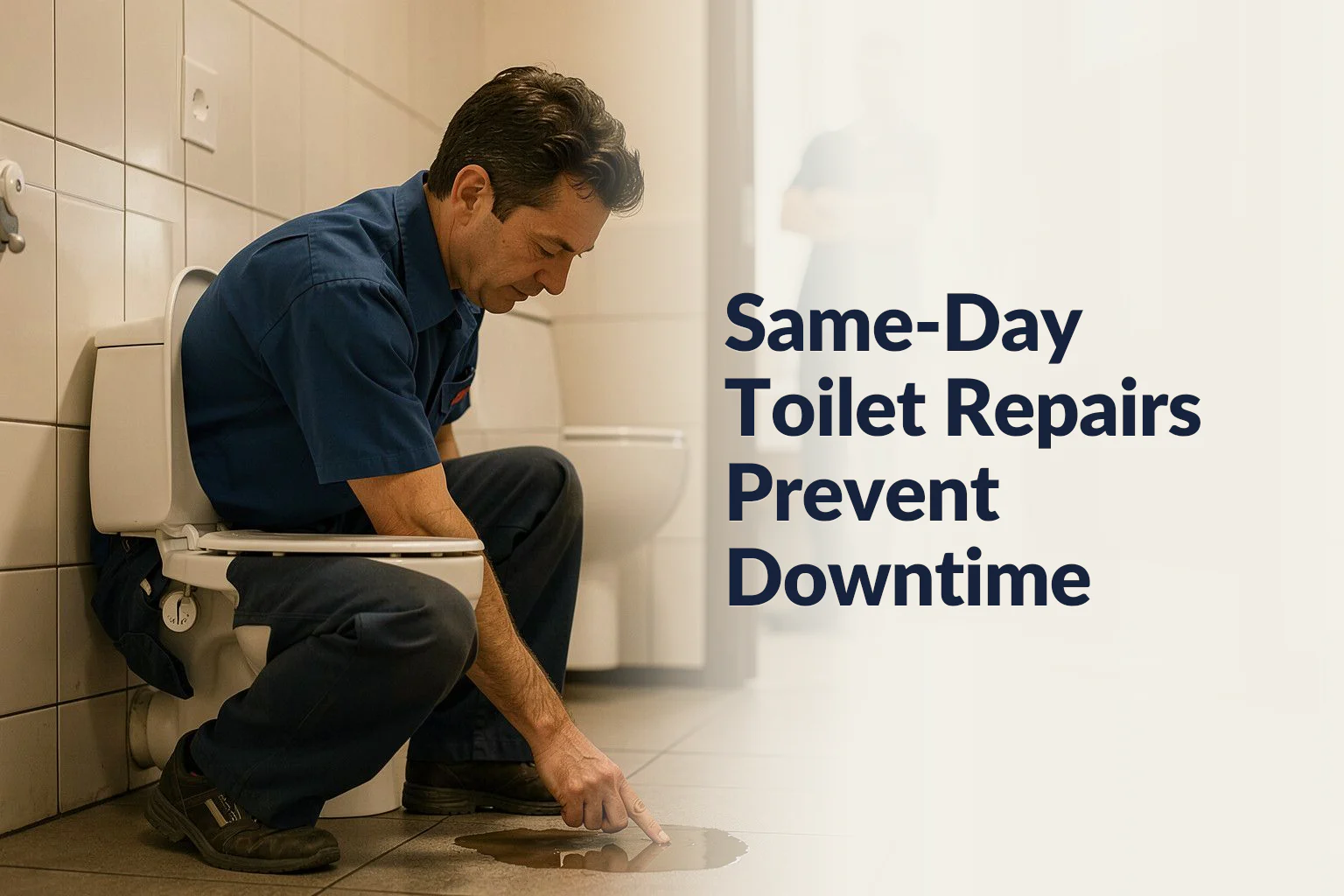
Step 1: Recognise the Warning Signs Before It Becomes a Crisis
In any commercial setting, a toilet issue rarely announces itself with a polite knock. The first sign is often a faint gurgle from the bowl, a handle that feels spongy when pressed, or water that takes a little too long to clear. In a busy Brisbane café or retail store, these small clues are easy to brush off as a busy morning distraction. But the difference between a minor fix and a full-scale flood is measured in hours — sometimes minutes.
Start by training your team to spot the early indicators. A continuously running toilet wastes more than water; it signals a failing internal mechanism. A bowl that rocks slightly on its base suggests a compromised wax seal. Any discolouration around the base or the supply line points to a slow leak. The moment a staff member reports any of these signs, treat it as a priority. Log the issue immediately and decide whether a simple adjustment might work — or whether you need a professional assessment. The cost of a quick inspection is far less than the revenue lost from closing your doors for half a day.
Step 2: Call a Professional Same-Day Plumbing Service Immediately
Once you have confirmed that the toilet is not simply clogged from a minor blockage, your next move is the most critical of the entire process. Do not attempt a DIY repair on a commercial-grade toilet unless you hold a plumbing licence. The internal components differ from residential models, and a mistake can escalate the problem and void your insurance coverage.
Pick up the phone and call a local plumber who advertises same-day response. In Brisbane, reputable firms like The Brisbane Plumbers understand that commercial clients cannot afford to wait until tomorrow. They will ask you a few quick questions — the type of toilet, the symptoms, and whether water is actively spreading. This information helps them bring the right parts and tools on the first visit. A good plumber will arrive within two hours and have you back in operation before the lunch rush. This is where the concept of emergency toilet repairs moves from a stress-inducing event to a manageable logistics problem. When you have a trusted number saved in your phone, the panic subsides and a clear plan takes over.
Step 3: Isolate the Affected Area to Minimise Disruption
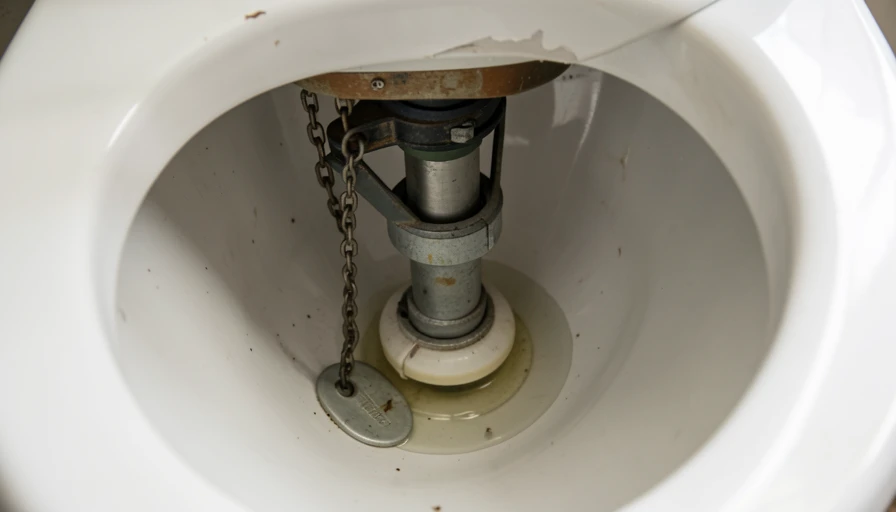
While you wait for the plumber, your job is containment. Every minute that a toilet is out of order costs you in customer experience and staff productivity. Follow these steps in order:
- Locate the isolation valve behind or beside the toilet and turn it clockwise until it stops. If there is no isolation valve, locate the main water shut-off for the property and turn that off instead.
- Place a wet-floor warning sign at the entrance to the bathroom. If the floor is already wet, lay down absorbent towels or a mop bucket to prevent slips.
- Redirect customers or staff to the nearest alternate toilet. If your business has only one restroom, create a clear signage system — a simple "Out of Order" notice with an apologetic note goes a long way toward maintaining goodwill.
- If the leak is active, place a bucket under the drip and keep the area ventilated to prevent mould growth in the hours that follow.
A single toilet outage in a busy café can cost upwards of $1,200 in lost revenue during a standard lunch service. That figure climbs fast when the issue lingers into the afternoon.
Isolating the problem quickly does not fix the toilet, but it does protect your business from secondary damage — water stains, odour complaints, and safety hazards. It also gives your plumber a clean, dry workspace, which speeds up the actual repair.
Step 4: Facilitate a Fast and Thorough Repair
When the plumber arrives, your role shifts to facilitator. Clear a path to the bathroom, provide access to the electrical panel if needed, and have a staff member available to answer questions about what happened leading up to the failure. The more context you can give, the faster the diagnosis.
A professional will typically start by checking the fill valve and flush valve assembly, as these are the most common points of failure in commercial toilets. They will inspect the supply line for cracks, test the flush mechanism for proper seal, and examine the wax ring if water has seeped onto the floor. In many same-day scenarios, the repair is straightforward — a $15 valve replacement can restore full function in under 30 minutes. The real value of the same-day service is not the part itself, but the speed of diagnosis and the guarantee that the repair meets Australian plumbing standards.
Stay nearby during the work. Ask the plumber to walk you through what failed and why. This is not about micromanaging — it is about learning. Understanding the root cause helps you decide whether the fixture itself needs replacing or whether a simple maintenance schedule will prevent a repeat.
Step 5: Implement Preventative Maintenance After the Repair
The repair is finished. The toilet flushes cleanly, the floor is dry, and your customers are back in the restroom. Most business owners stop here — but this is actually the most important step of the process.
Schedule a periodic maintenance check for every toilet in your commercial property. A licensed plumber can inspect the following on a quarterly or bi-annual basis:
- Fill valve and flush valve for wear and sediment buildup
- Supply line hoses for brittleness or corrosion
- Wax ring and flange for stability
- Toilet bowl and tank for hairline cracks
- Flush pressure and cycle time to catch inefficiencies early
Keep a simple log of each check and any parts replaced. This record not only helps you spot patterns — a particular toilet that fails repeatedly may need replacement — but also demonstrates due diligence for insurance and compliance purposes. Many Brisbane businesses have found that a $200 annual maintenance contract eliminates the surprise of a $2,000 water damage claim.
Bonus: Build a Relationship Before You Need It
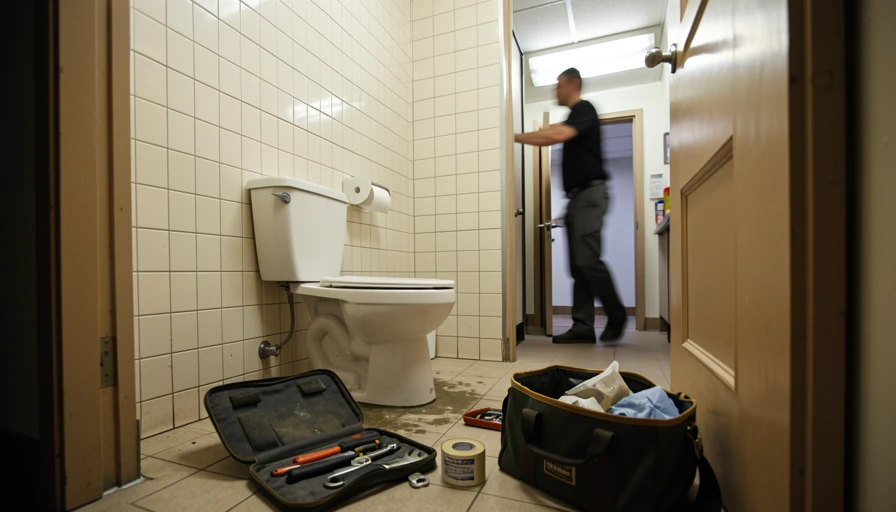
The best time to find a reliable plumber is not when water is pouring across your floor. Introduce yourself to a local service like The Brisbane Plumbers during a quiet period. Ask them to perform a baseline inspection of your plumbing system. Save their number in your phone and share it with your shift managers. When the inevitable toilet failure occurs, you will already have a partner who knows your layout, your fixtures, and your expectations. That prior relationship turns a frantic call into a straightforward service request.
Step 6: Review and Refine Your Emergency Protocol
After the dust settles, hold a five-minute debrief with your team. Ask three questions: How quickly did we notice the problem? How smoothly did the isolation process go? Did customers express frustration about the restroom access?
Use the answers to refine your written emergency protocol. Assign a specific person to be the point of contact for the plumber. Keep a small emergency kit in the back office — a bucket, absorbent towels, a "Closed for Maintenance" sign, and the plumber's business card. Review the protocol every six months or whenever you hire a new team member.
Same-day toilet repairs are not just about fixing a broken fixture. They are about protecting your business's reputation, your daily revenue, and your team's ability to serve customers without interruption. In a competitive market like Brisbane, where every customer interaction counts, a proactive approach to plumbing maintenance is one of the simplest investments you can make. The next time you hear that faint gurgle, you will know exactly what to do — and you will have the right people on speed dial to do it.